 Independent information guide
Verify laws and age rules beforehand
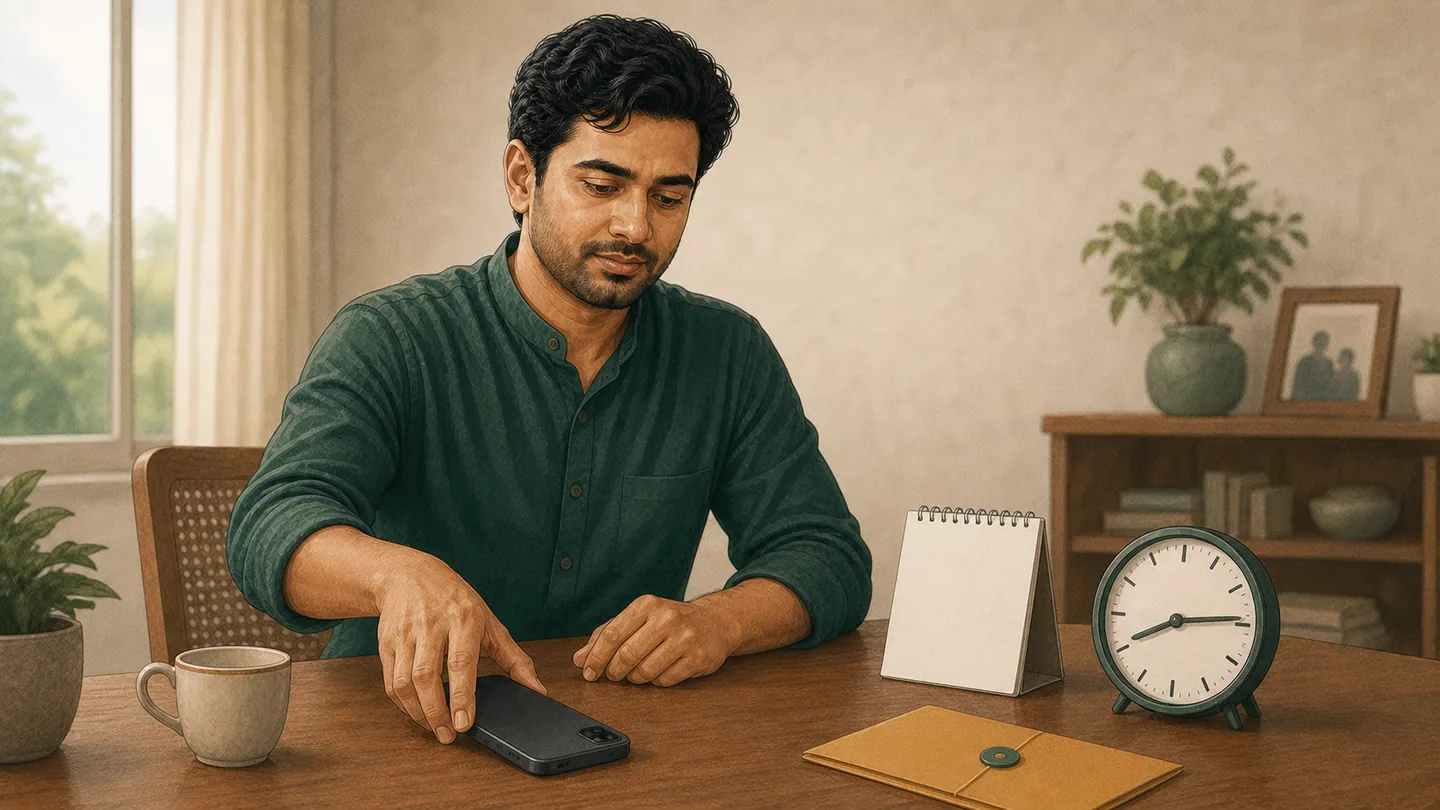
Users must verify current laws and local regulations in Bangladesh. This site does not provide legal advice and does not declare any activity as “legal.” Being an adult may not be sufficient; comply with the strictest conditions between local and site.
- Verify current government regulations yourself.
- Read the current site's age terms.
- Match your location, age, and account eligibility.
- Do not start if any aspect is unclear.
Limits that will not impact lifestyle if lost
Only take budget from entertainment money that will not affect rent, food, medicine, education, debt payment, or emergency fund even if completely lost. Budget is not a profit target.
- Write down a fixed maximum amount.
- Separate living expenses and emergency money.
- Do not add more when limits are reached.
- Review actual spend the next day.
Write down the end time before starting
Write down start and end times and set an alarm. Being on screen for a long time can reduce judgment; take real breaks by shifting your eyes and mind every 30-45 minutes.
- Start the timer and keep the end time visible.
- Get up from the screen after each block.
- Log out from the account when the end time arrives.
- Write down actual duration and compare it with the plan.
If you ignore alarms, use late at night, or disrupt work/family, a long break is needed.
Log out securelyDo not try to recover losses
Previous results do not guarantee future results. Increasing amounts does not change previous losses; chasing increases risk. If this thought arises, take at least a 24-hour break and freeze new payments.
- Exit account and payment sites.
- Disable additional budget access.
- Share your plan with a trusted adult.
- If stress persists the next day, consider a long-term stop.
When a complete break is necessary
- Hiding use or loss
- Borrowing money or using bill money
- Loss chasing and inability to stop as planned
- Sleep, mood, work, or family being affected
- Anxiety, irritability, or urge to increase amounts
- Making more payments to get withdrawals
One signal is enough for a significant break. Log out, remove shortcuts and notifications, request a trusted adult to view financial access, and seek help from local qualified medical, mental health, or legal professionals if needed. This site does not provide external hotline links.
Account SecurityPrevent access by children and other family members
Do not give any account, password, OTP, or payment access to minors. Use screen lock, separate user, and logout on shared phone or browser.
- Provide a strong screen lock and avoid biometric sharing.
- Turn off password auto-fill on shared browser.
- Logout after each session.
- Do not save Wallet PIN or card details.
- Regularly check the app list while hiding lock-screen financial notifications.
Keep a written break plan
Do not let the moment's emotion dictate your decision to take a pause. Write down budget limits, end times, 24-hour chasing breaks, the name of a trusted adult, and how to stop payment access—beforehand. Keep the plan in a safe place, not in shared chat.
If limits, cooling-off, self-exclusion, or closure options appear in the account, read their scope and duration. Do not assume a permanent effect just by the name of the button. Even without a tool, you can remove device shortcuts, turn off notifications, separate payment access, and seek help from a trusted person.
If you break the pause, do not blame yourself and chase losses; stop immediately and return the remaining funds to your living expenses account. If you have debt, severe anxiety, or family conflict, seek help from a local qualified financial, medical, mental health, or legal professional.
Writing down actual spending and time after each session helps understand if the plan is being followed. Record not just win/loss, but also sleep, mood, work, and family impact. If the pattern is bad, take a complete pause.
Seeking help from a trusted adult does not mean sharing passwords or OTPs. They can help keep the budget separate, turn off notifications, review debt plans, or seek qualified assistance.
If the urge does not decrease after a one-day break, take a longer break and remove easy access to payment methods. If account closure or self-exclusion options are available, read their scope; do not assume logout is a permanent block.
Do not exclude borrowed amounts, unpaid bills, and hidden transactions from budget reviews. Limits do not work without honest records. If there are immediate safety risks, debt crises, or severe distress, quickly seek help from a trusted adult and local qualified professional.
If the pause plan conflicts with necessary family expenses, keep the entertainment budget at zero. Any bonus, return, or previous loss is not future income. When the end time comes, logout regardless of the outcome.
The end of the limit means the end of usage for that day.